– Harbour & High Street opens at Weymouth Pop-Up Museum, with support from We Are Weymouth and Weymouth Town Council –
A new exhibition at Weymouth Pop-Up Museum on St Thomas Street tells the story of how the town has paid its way over the centuries, from medieval wool and wine on the quayside to the shop that grew into UK retail giant New Look. Harbour & High Street is open now and runs until 13th March 2027.
Weymouth and Melcombe started out as two small fishing villages. Melcombe became a licensed wool port in 1310, sending wool and corn to the continent and bringing wine back. Local boats sailed as far as Newfoundland for cod, and the port carried pilgrims to Santiago de Compostela and settlers to Massachusetts. Walk along the harbour today and the signs are still there: old warehouses, the former Customs House, the Harbour Master’s office and the Old Fish Market.
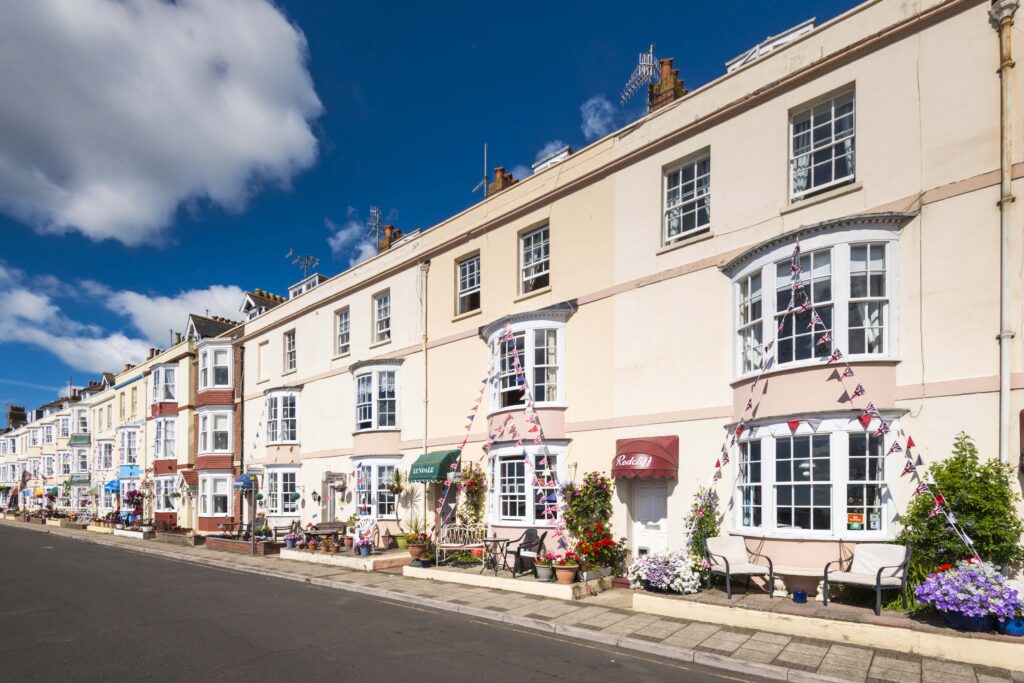
Then, in the 1780s, King George III came to bathe, visitors followed and Weymouth became one of the first seaside resorts. The railway arrived in 1857, bringing whole towns on holiday at once (Swindon’s railway works shut for a week every summer so thousands of workers could head to the beach). In 1810 Weymouth had 118 lodging houses. By 1920 there were 239 guest houses, B&Bs and rooms, and today there are around 800, including Airbnb listings.
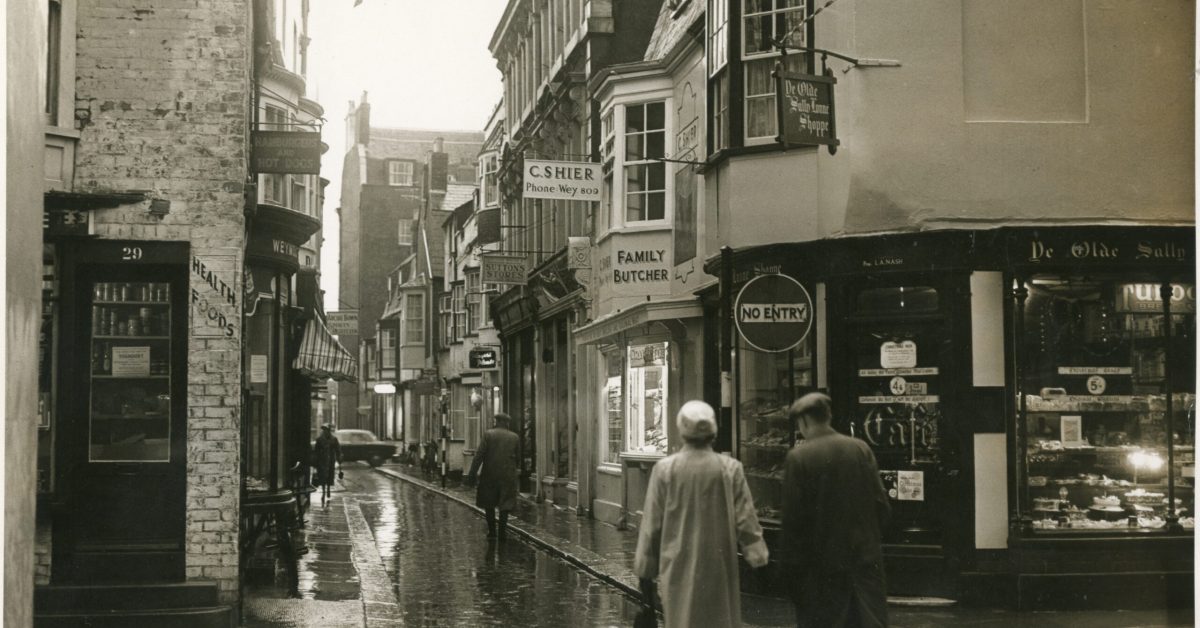
The exhibition tells the stories of the shops and businesses behind that change, many in their own words. Tom Singh explains how, after looking at Yeovil, he chose Weymouth for his first New Look shop. It opened in 1970 on St Thomas Street, between Jeff’s menswear and De Parys dry cleaners, and grew into a chain of 650 stores selling a million garments a week, run from a Weymouth headquarters.
The Museum would love to hear from anyone with clothes from the early days of New Look who might be willing to donate them to its collection. It is also inviting people who work in Weymouth businesses today to share their stories, which will be added to the exhibition.
Kate Hebditch, Exhibition Co-ordinator, Weymouth Museum, said: “We set out to answer a simple question: how has Weymouth made its money? The answer runs from medieval wool and Newfoundland cod to a mum letting out rooms in a Westham council house during the peak weeks. What I love is how many of these stories came straight from the people who lived them. If you’ve got an early New Look dress at the back of the wardrobe, or a story about your own working life in the town, please come and tell us.”
Dawn Rondeau-Irvine, Chief Operations Officer at We Are Weymouth, said: “Every business in this exhibition was once the new shop on the street. Sherrens has been printing in Weymouth since 1837, Tilley’s sold Thomas Hardy a bicycle, and New Look started with one shop on St Thomas Street. The businesses trading in the town today are part of the town’s next chapter and will be the story that today’s children reflect on. We are absolutely thrilled to sponsor this exhibition as well as one in the Spring with a grant of £5,000 to not only support this vital asset but highlight the history of our business community. We urge you to pop into the Museum and then have a wander round the current high street on your way home.”
Mayor of Weymouth, Cllr David Harris, said: “Weymouth Town Council is proud to support this exhibition with a grant of £4,400 towards its delivery. The exhibition brings the stories of our harbour and high street to life, and celebrates the businesses and people who have helped shape our town over many years. By understanding our past, we can also inspire the next generation to keep Weymouth’s entrepreneurial spirit alive.”
The exhibition has been developed with support from Weymouth Town council and We Are Weymouth, the town’s Business Improvement District, showcasing the rich history of Weymouth’s businesses now and then. It’s a fantastic celebration of a town that still has a deep commitment to its local economy and entrepreneurial spirit.